Digital Bridges in Roulette: Tracking App Features That Move UK Players From Trial Play to Real Stakes
Viktor Werner · Sep 18, 2026
Digital Bridges in Roulette: Tracking App Features That Move UK Players From Trial Play to Real Stakes
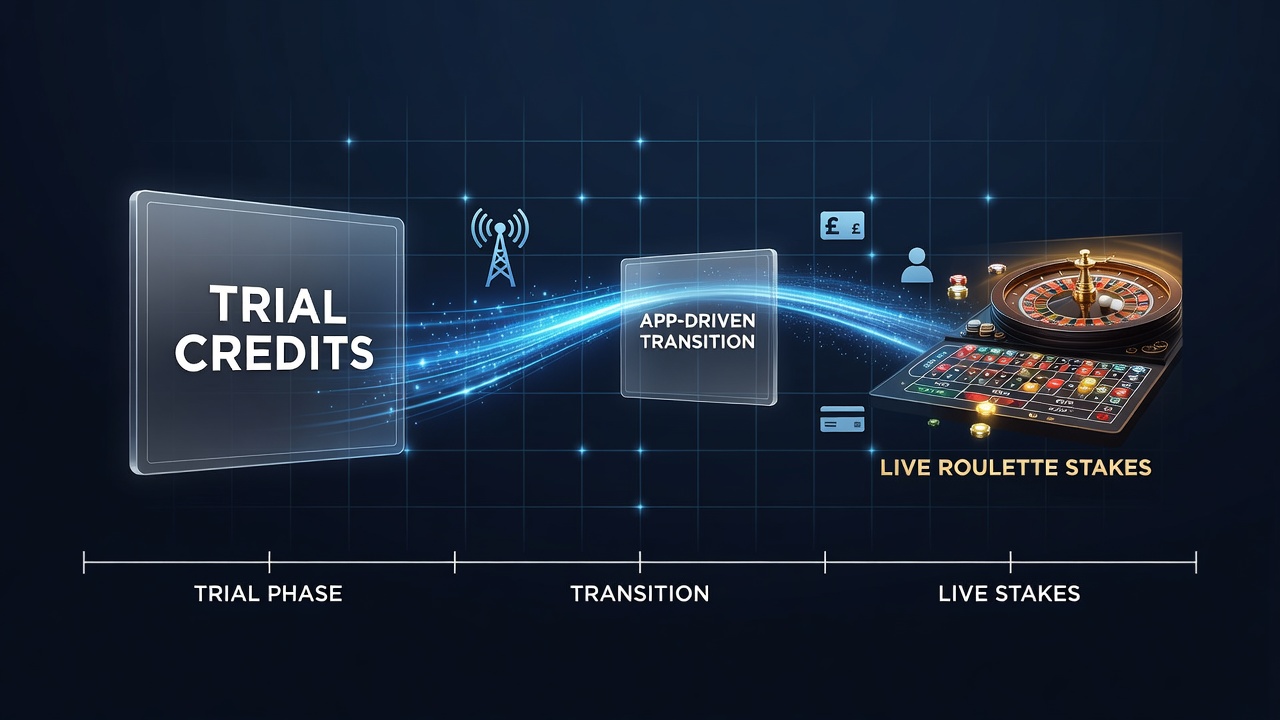
App developers in UK networks have built structured pathways that guide users from trial credits into live roulette stakes, and these systems rely on specific technical features that track progress across multiple stages. Trial credits often appear as limited-time balances within dedicated mobile interfaces, where users test wheel mechanics and bet placement without immediate financial commitment. Data from industry reports shows that these initial phases typically last between 30 and 90 minutes of active play before prompts encourage movement toward verified accounts.
Registration flows incorporate identity checks that align with regulatory standards, and once completed they unlock deposit options that convert trial activity into real-money sessions. Observers note that many platforms embed progress trackers directly in the app dashboard, displaying remaining trial balance alongside suggested stake levels for live tables. This layout helps users understand when their credits near expiration and what minimum deposits apply to maintain access to dealer-hosted games.
Core Mechanics Behind Credit Conversion
Conversion mechanics operate through integrated timers and balance monitors that alert users at set intervals. When trial credits drop below a threshold, apps display clear options to add funds via bank transfer, e-wallet, or card, and these prompts link directly to the same live roulette lobby used during the trial phase. Research indicates that seamless navigation between free and paid modes reduces drop-off rates during the switchover period.
Live dealer tables require verified balances before allowing real stakes, yet the transition remains fluid because apps preload the same table environments that users already explored with credits. Security layers such as two-factor authentication activate at the moment of first deposit, and this step ensures compliance while preserving session continuity. Those who have examined these systems find that the underlying code often treats trial and real balances as separate ledgers that merge only after successful verification.
Network-Level Tracking in September 2026
By September 2026 several major UK networks had refined their cross-device synchronization so that trial progress carries over between phones and tablets without resetting balances. This capability stems from cloud-based session storage that records every spin, win, and loss during the trial window. Figures reveal that synchronized accounts experience higher completion rates when moving from credits to actual stakes at live tables.

Operators also introduced daily activity summaries that break down trial usage and project the deposit amount needed to unlock matching features in the paid environment. These summaries appear as push notifications or in-app cards, and they reference historical play patterns to suggest stake sizes that align with previous trial behavior. External analysis from the Australian Gambling Research Centre highlights similar conversion patterns in other regulated markets, where structured prompts correlate with sustained engagement after the initial credit period ends.
Security and Compliance Layers
UK networks enforce strict separation between trial and real-money environments to satisfy licensing conditions, yet the apps mask this separation through unified interfaces. Players encounter the same wheel graphics, dealer streams, and betting layouts, which creates continuity even as the underlying account status changes. Data shows that encryption protocols activate automatically upon deposit, protecting transaction details without interrupting table access.
Age verification and self-exclusion tools remain active across both trial and paid modes, and this overlap prevents users from bypassing restrictions when they shift to real stakes. Multiple networks now require a single confirmation screen that lists remaining trial balance, proposed deposit, and expected live table entry before any funds transfer occurs. The process takes seconds because the app already holds the necessary user details from the trial registration step.
Future Developments in App Architecture
Developers continue to test predictive analytics that forecast when a user is likely to convert trial credits into live stakes, and these models draw on time-of-day patterns and average session length. Early implementations in September 2026 already adjusted notification timing based on individual behavior logs, and preliminary results indicate improved conversion efficiency. A separate report from the National Council on Problem Gambling notes that transparent transition tools can support informed decision-making across jurisdictions.
Additional features under consideration include one-tap deposit buttons placed directly on the trial dashboard and personalized stake recommendations derived from past credit usage. These elements aim to shorten the interval between trial expiration and real-money entry while maintaining full compliance with network rules. Observers expect further refinement as more operators adopt unified ledgers that treat trial and paid play as sequential stages rather than isolated experiences.
Conclusion
The transition process from trial credits to live roulette stakes now follows a predictable sequence of app-driven steps that combine balance monitoring, verification checkpoints, and continuous interface design. UK networks have standardized many of these elements, yet each platform retains unique notification styles and deposit flows. Continued evolution in September 2026 and beyond will likely focus on predictive timing and cross-device consistency, both of which support smoother movement between the two play modes without altering regulatory safeguards.