Charting the Progression of Promotional Credits in Digital Wheel Gaming Systems
Viktor Werner · Oct 16, 2026
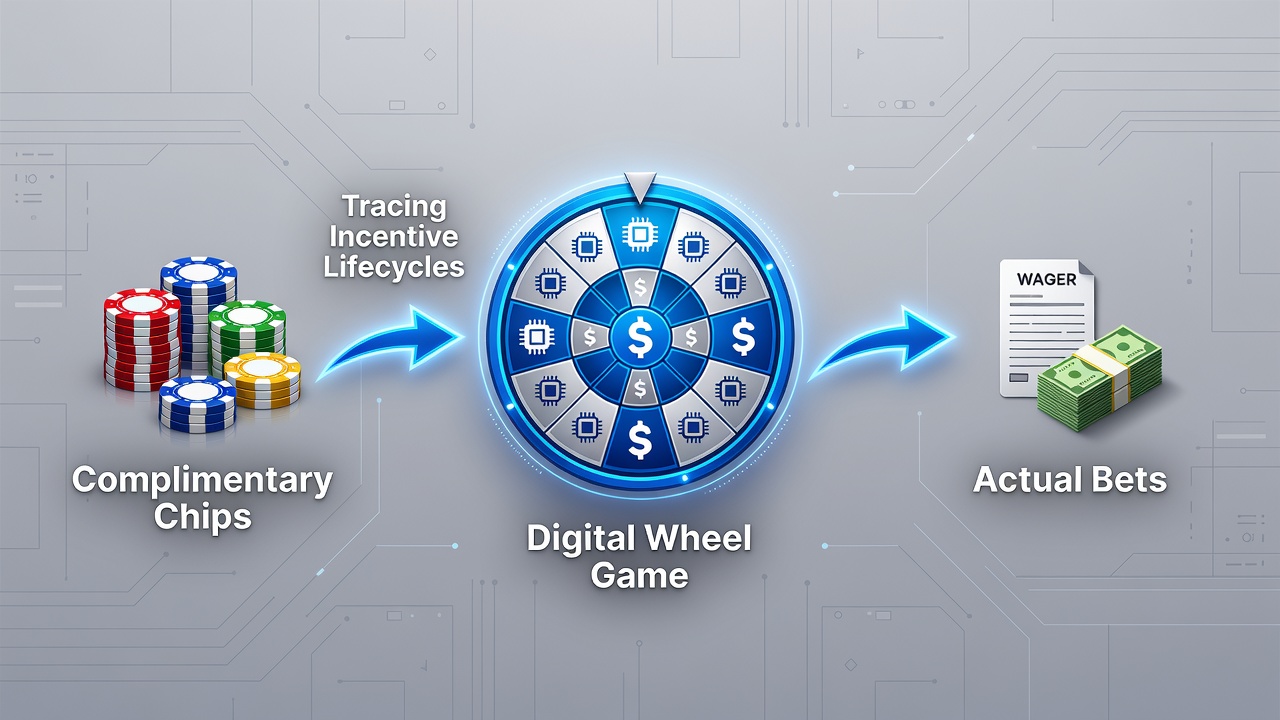
Charting the Progression of Promotional Credits in Digital Wheel Gaming Systems
Digital wheel games operate through structured incentive pathways that begin with complimentary credits and advance toward real-money wagers, and operators track each stage using account ledgers and game logs. Players receive initial promotional chips through registration offers or deposit matches, after which systems apply specific conversion rules before those credits can influence actual bet placements. Data from October 2026 indicates that many platforms maintain separate balance categories to distinguish bonus funds from deposited amounts, which prevents premature mixing during gameplay sessions.
Initial Allocation and Credit Segregation
Platforms issue complimentary chips through automated systems that credit player accounts immediately upon verification, and these credits appear in designated bonus wallets rather than main balances. Software enforces segregation by tagging each chip type with unique identifiers, which allows the platform to apply different rules for expiration, maximum bet sizes, and eligible game types. Observers note that this tagging process occurs at the server level, where algorithms monitor usage patterns and flag any attempts to bypass restrictions through rapid transfers or multi-account activity.
Conversion Mechanics and Wagering Thresholds
Once players engage with wheel games, the system calculates contributions toward release thresholds based on bet amounts and game categories, while roulette typically contributes at lower percentages compared to other titles because of its house edge profile. As bets resolve, portions of winnings transfer from bonus balances to withdrawable funds only after players meet predefined playthrough multiples, and these multiples range from 20x to 50x depending on the promotion source. Platforms record each spin outcome in transaction histories, which creates an auditable trail from the first complimentary chip placement through to any resulting cash equivalents.
But here's the thing: the transition point where bonus credits convert into stakes that can generate real returns depends on whether the player selects eligible wheel variants, and some titles exclude certain bet types like announced bets from contributing fully. Research from the Ontario iGaming authority shows that clear disclosure of these exclusions reduces player disputes by documenting exactly which actions advance the lifecycle and which ones reset progress indicators.
Platform Tracking and Audit Trails
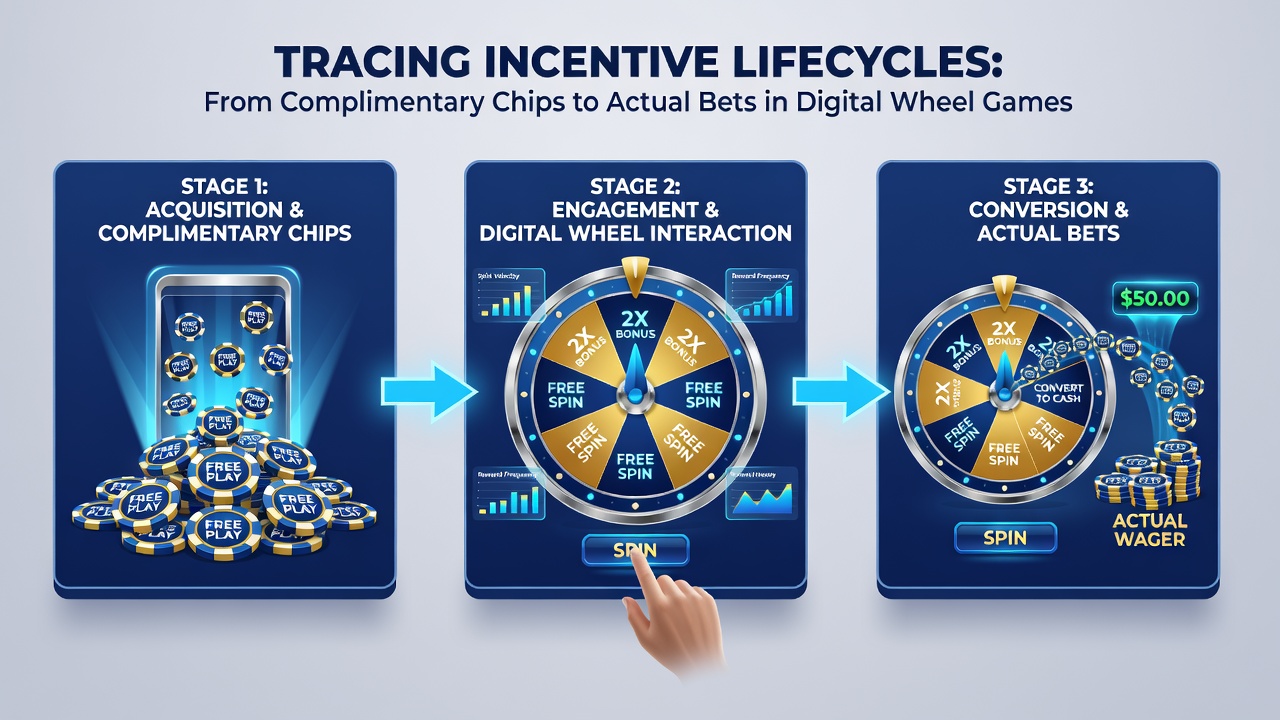
Backend databases log every credit movement with timestamps, game identifiers, and player actions, which creates comprehensive records that support both internal reviews and external compliance checks. When a player places a bet using mixed balances, the system prioritizes bonus funds first in most implementations, then draws from real-money deposits only after bonus amounts reach zero. This sequential drawdown method ensures that promotional incentives remain active until fully utilized or expired, and it generates the data points that later determine whether a balance qualifies for withdrawal requests.
What's interesting is how live dealer wheel interfaces integrate the same tracking layers, where real-time feeds update balance statuses after each spin and display remaining wagering requirements directly on player screens. Industry reports from the New Jersey Division of Gaming Enforcement highlight that such transparency features help maintain consistent lifecycle progression across both automated and streamed roulette formats.
Expiration, Adjustments, and Edge Cases
Complimentary credits carry time-bound validity periods that trigger automatic forfeiture if unused, and platforms adjust remaining balances proportionally when partial releases occur through earlier wins. In cases where players reach maximum bet limits during bonus phases, systems cap wager sizes automatically to protect the incentive structure from accelerated depletion. Those who've examined October 2026 platform updates find that enhanced detection tools now identify patterns such as delayed spin timing or repeated low-stake cycles that might indicate attempts to extend bonus longevity without genuine progression.
Yet the core sequence remains consistent: allocation leads to usage, usage feeds into requirement calculations, and fulfilled requirements unlock access to actual betting outcomes that affect cashable balances. External audits verify that these steps align with stated terms, which protects both operators and participants from discrepancies during the final stages of the incentive lifecycle.
Conclusion
The pathway from complimentary chips to real bets in digital wheel games follows defined technical and regulatory steps that platforms document at every interval. Data logs, balance segregation, and contribution rules together form the framework that governs this progression, and ongoing platform refinements continue to refine visibility into each transition point.